Otherness
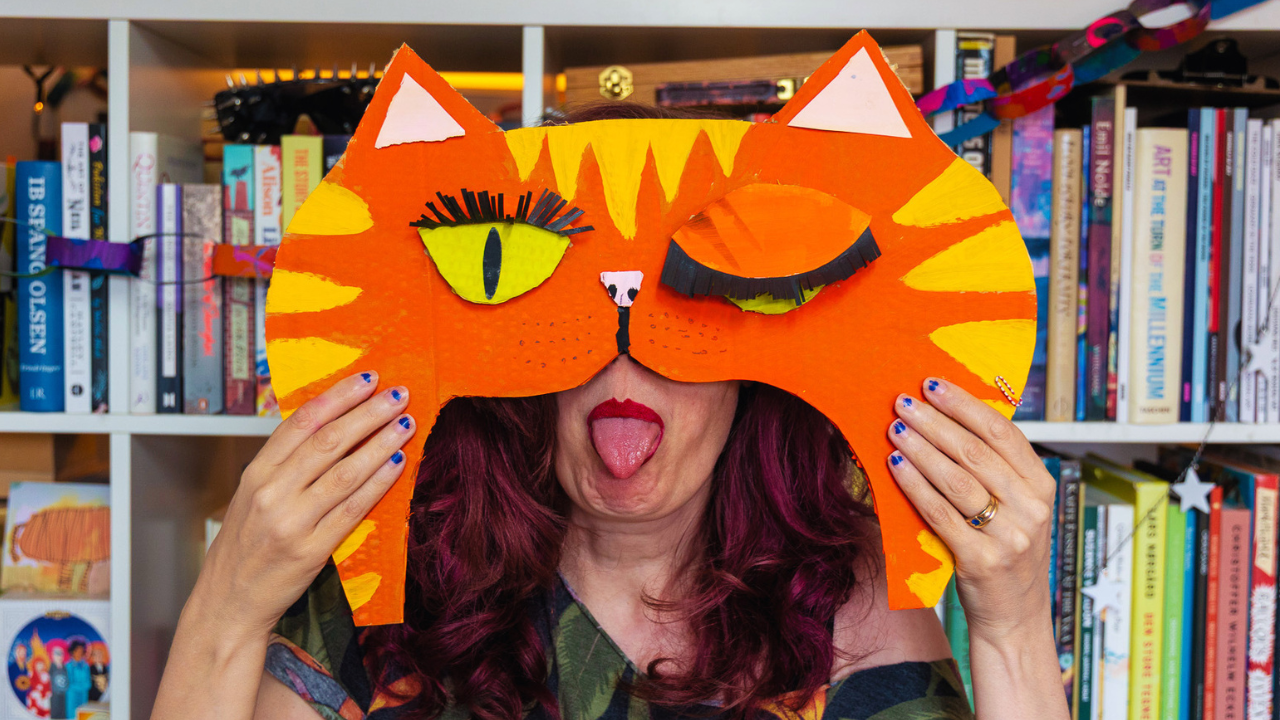
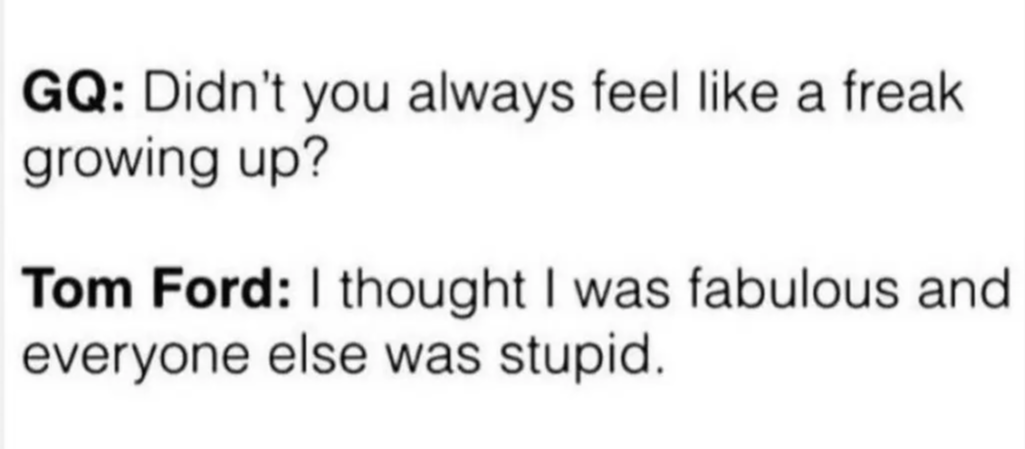
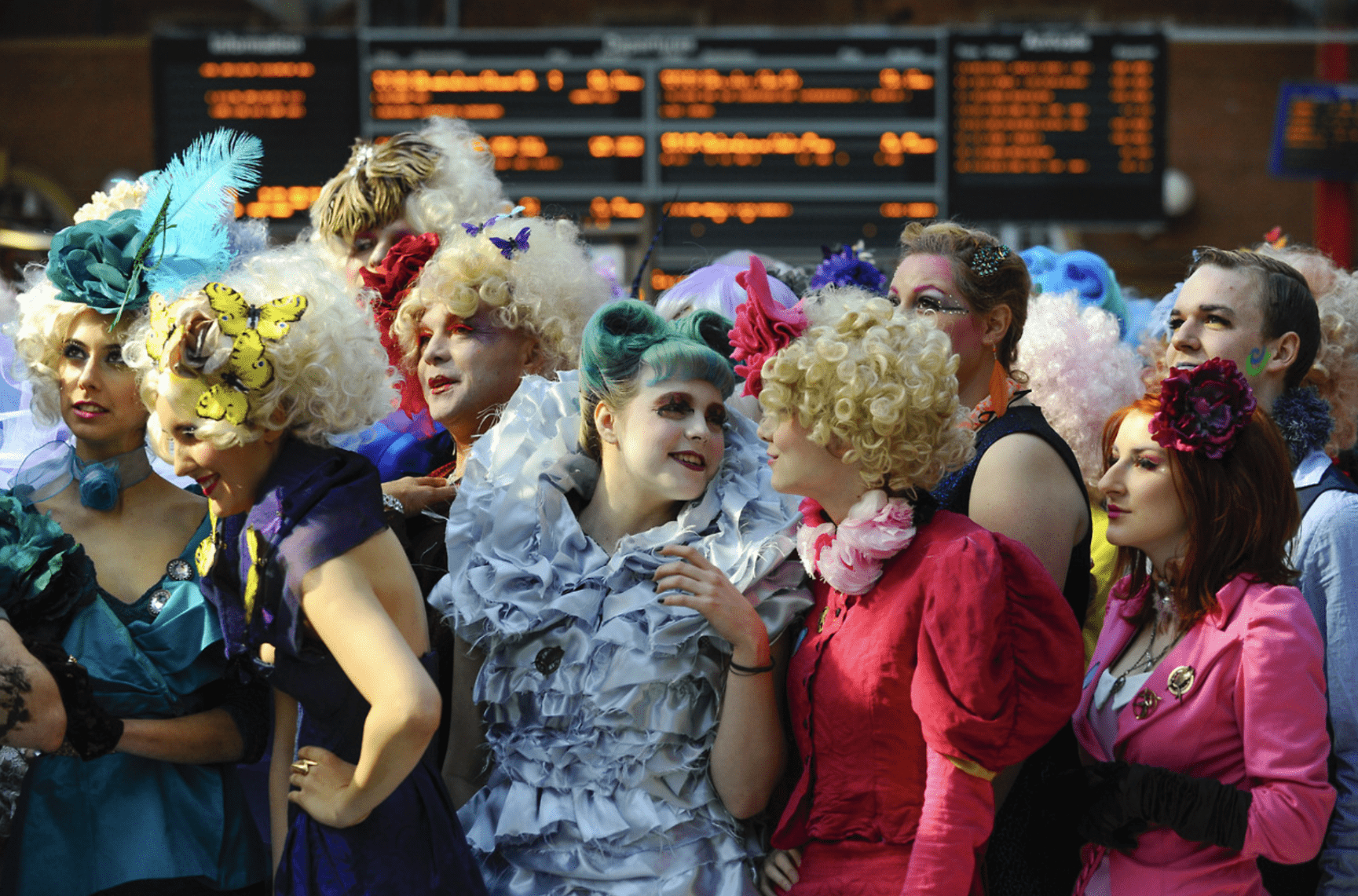
Otherness is the golden thread that runs through everything in the Haus of Cats. The experience of not quite fitting - of being too much, too weird, too loud, too queer, too neurodivergent, too other. This is a space for everyone who has ever felt like the odd one out, and a reminder that you're not the odd one out at all. You're one of a kind.
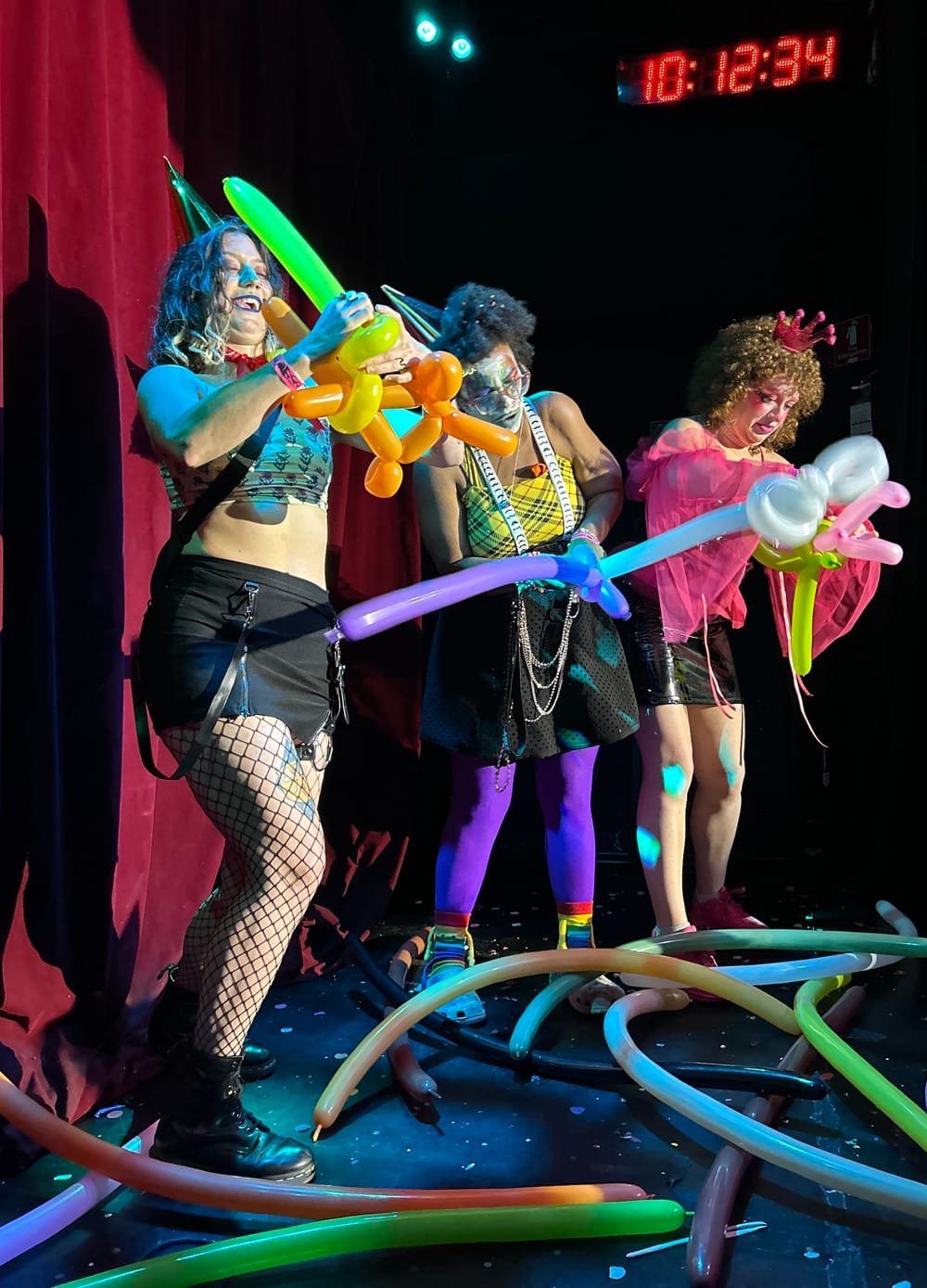
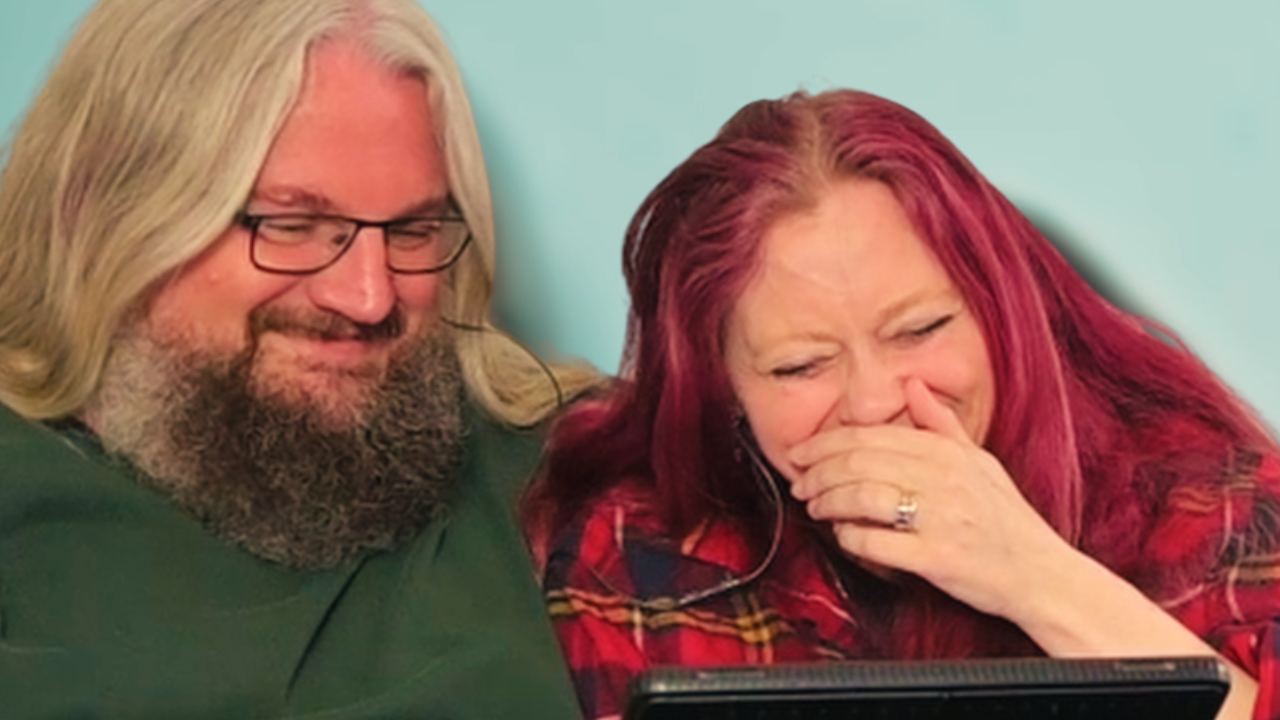
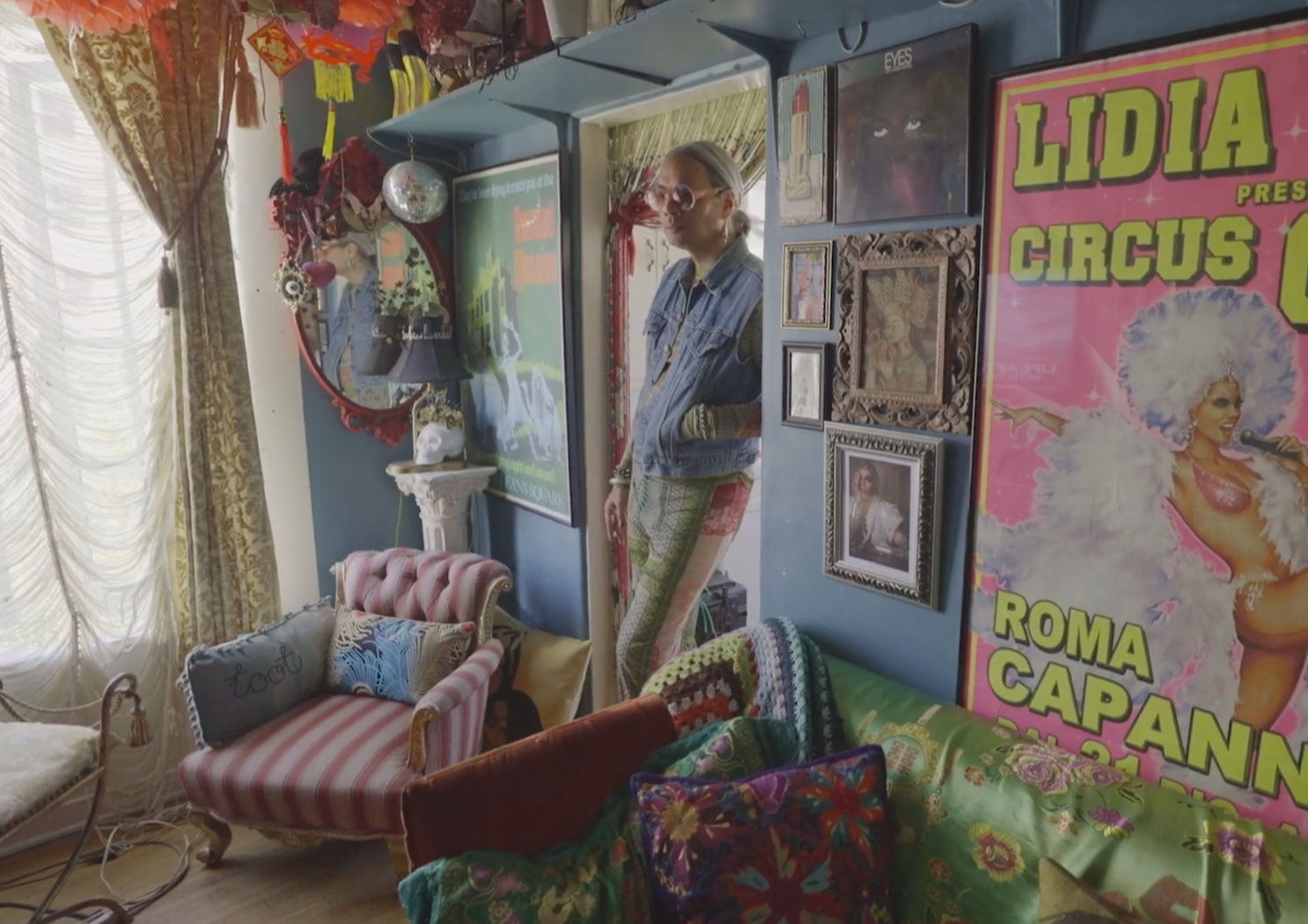
Join us on the couch as Lars & I explore the delicious flurry of gay shit, puppets, autism shit, drag, cool angry women, and a whole bunch of other funny, weird, queer delights that populate his spectacular Instagram feed
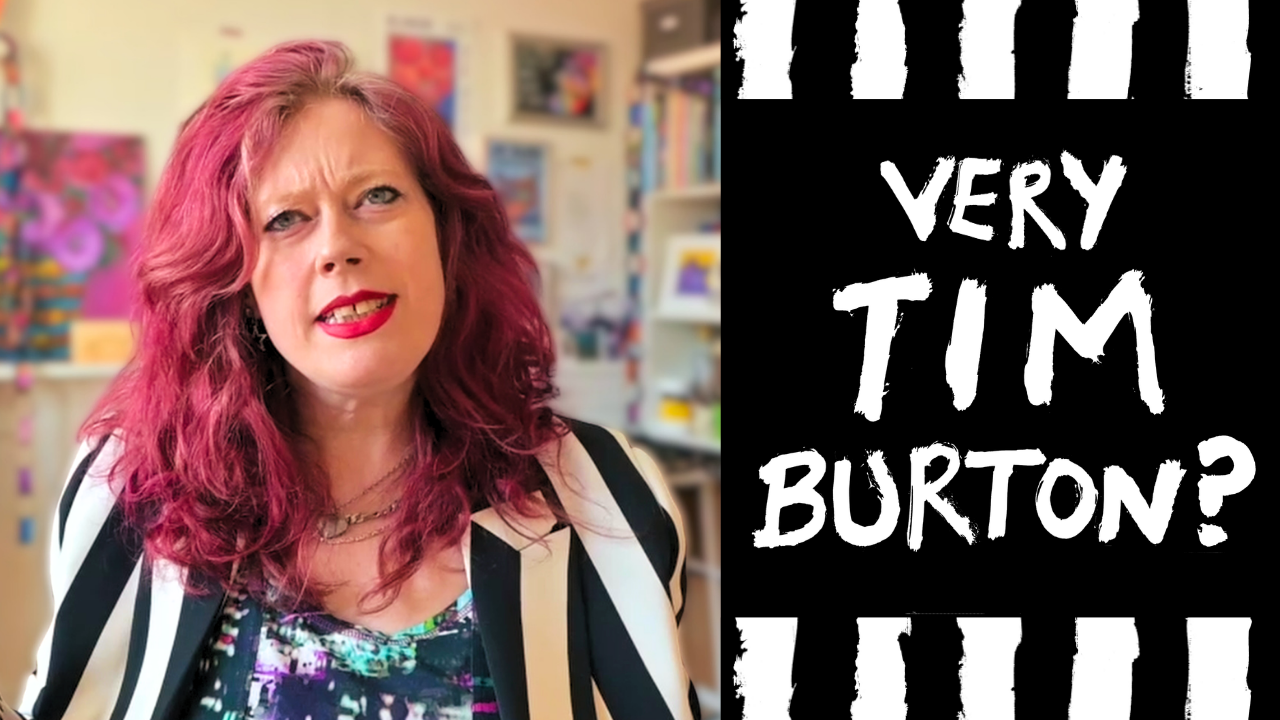
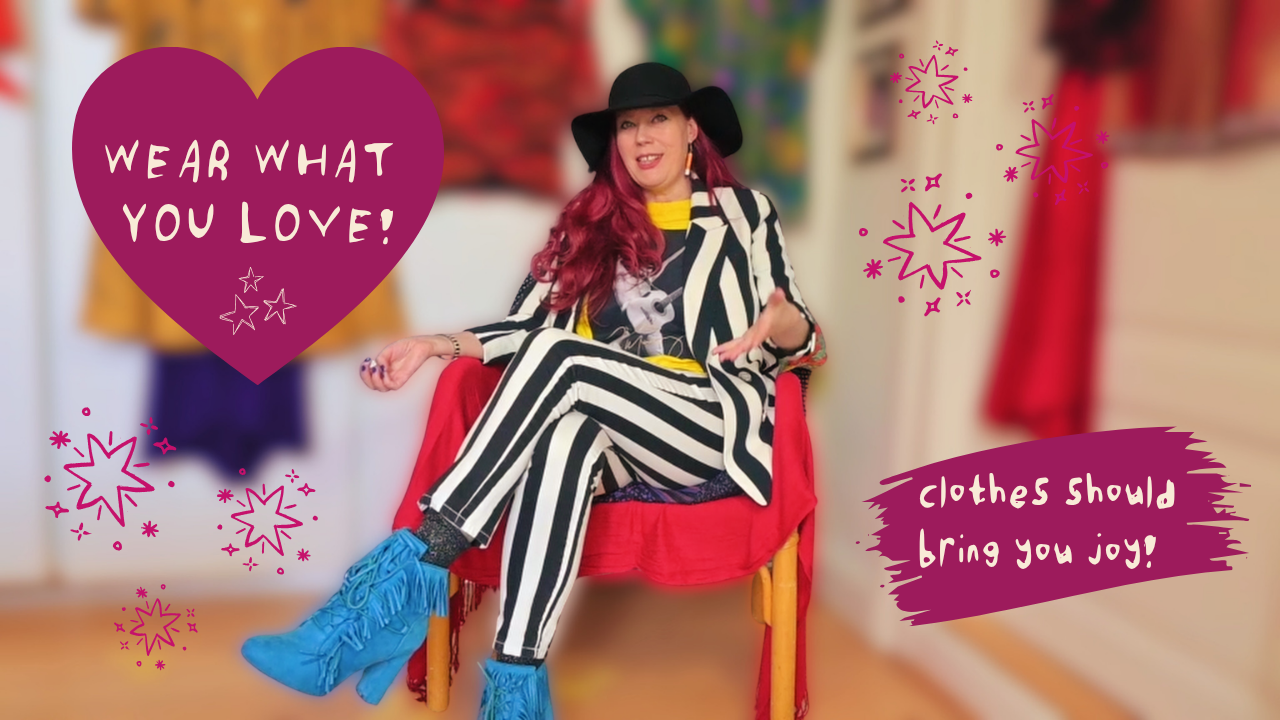
Someone asked me recently whether fully owning your difference inevitably makes it visible on the outside. In this video I share my answer along with some of my favourite, most ‘me’ outfits.
What happens when the same week someone tells you that you've created a safe space where people feel truly seen, you also put your foot in it so spectacularly that your brain is still replaying the horror movie version three days later?
"Normal is a type of madness, isn't it? I think it's just that the only madness society allows is called normal." - from Life Ceremony, by Sayaka Murata
In this episode of Find Your Freaks, Tonya Kubo sits down with Eli Trier - artist, writer, and self-described “dopamine dealer” - to explore what it means to live as an outsider and how that experience can become the foundation for something powerful.
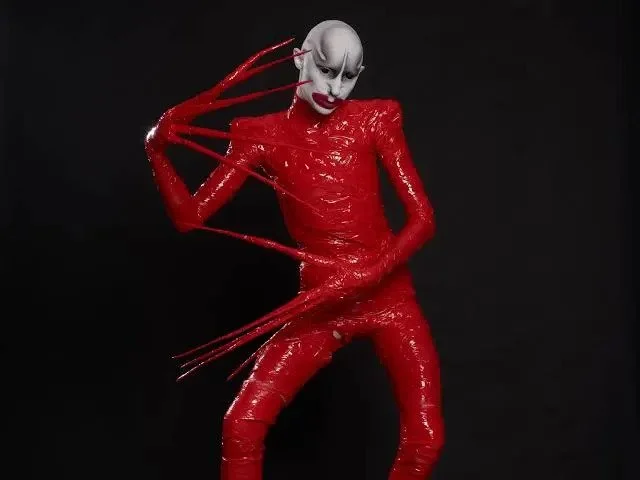
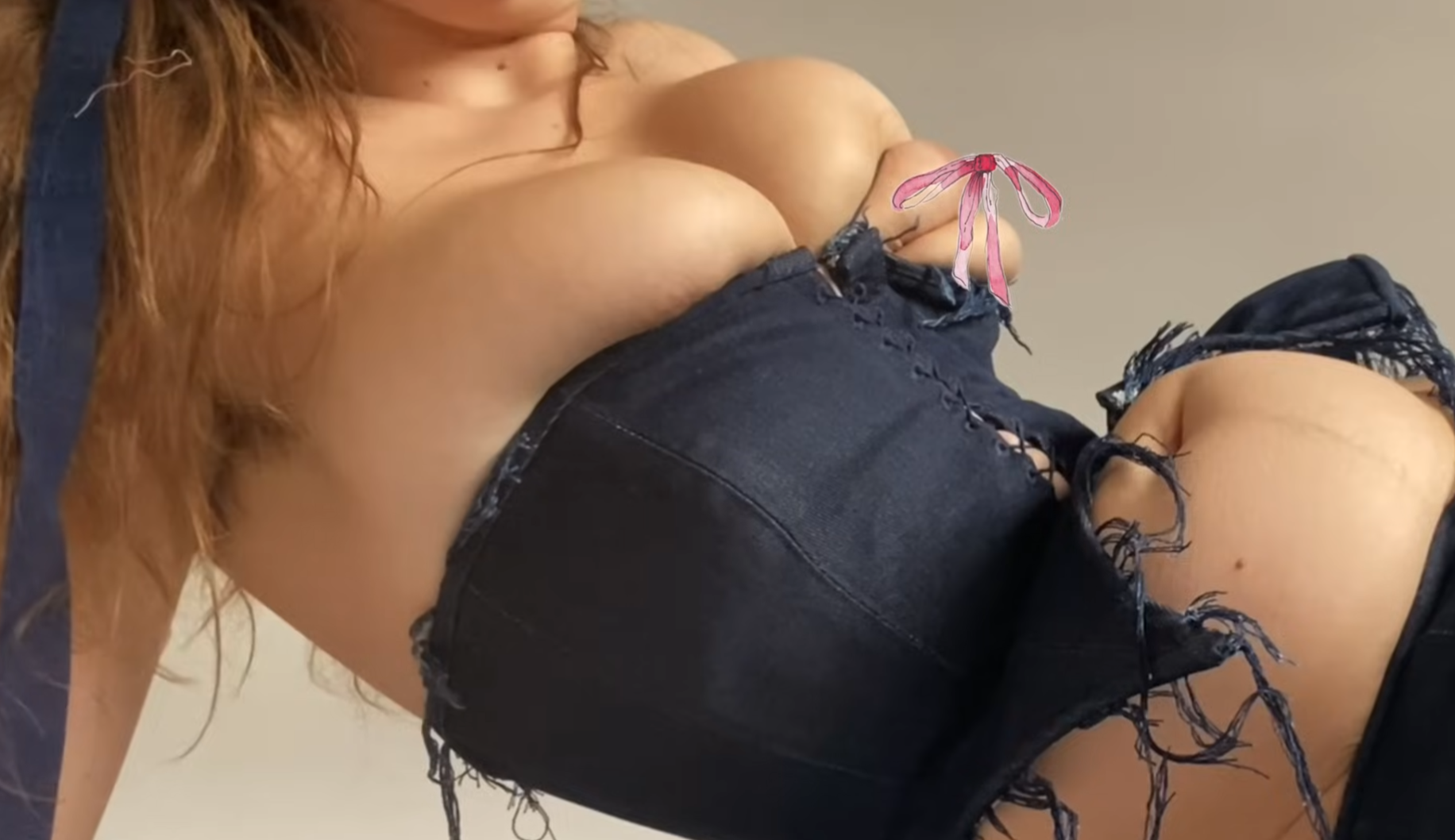
This brief foray into the gorgeous/grotesque world of artist and fashion designer Michaela Stark will make you think about beauty in a whole new way.
"[W]e have to recognize that the thing that looks most flawed, might, in fact, be the most interesting thing in the work. So we’re not looking for the thing that functions best, because to do that is to only reward the most conventional and most familiar moves the work makes. But to try to recognize the thing that excites us the most, or intrigues us the most, which may be something the writer doesn’t even understand." - Peter Turchi
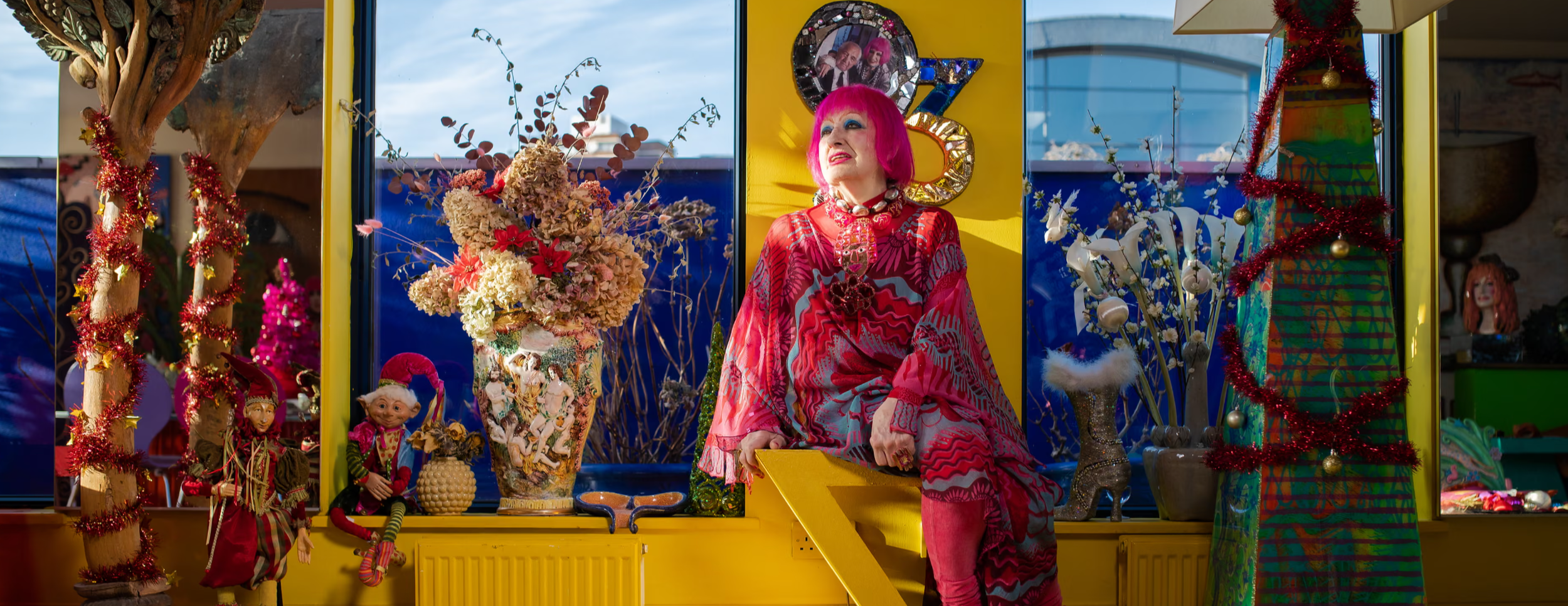
"She [Zandra Rhodes] only moved into fashion because nobody would hire her, she says, even though she had been the star student of her year at art college."
Ah, masking: that exhausting dance we do to 'pass' - as neurotypical, as straight, as 'normal' (whatever that means). It's draining, but unmasking can feel terrifying. And for those of us who didn't discover our true selves until later in life, it can be hard to know who we are without the mask.
A panel discussion with me and three other neurodivergent baddies talking about how we manage to get shit done, in spite of our wonky brains.
The mad flip-floppery of gender and fashion, and orienting towards a future that doesn’t exist
A conversation about the power of art to heal and connect us, and how designing a life that doesn’t hurt is paramount to anyone with a wonky brain.
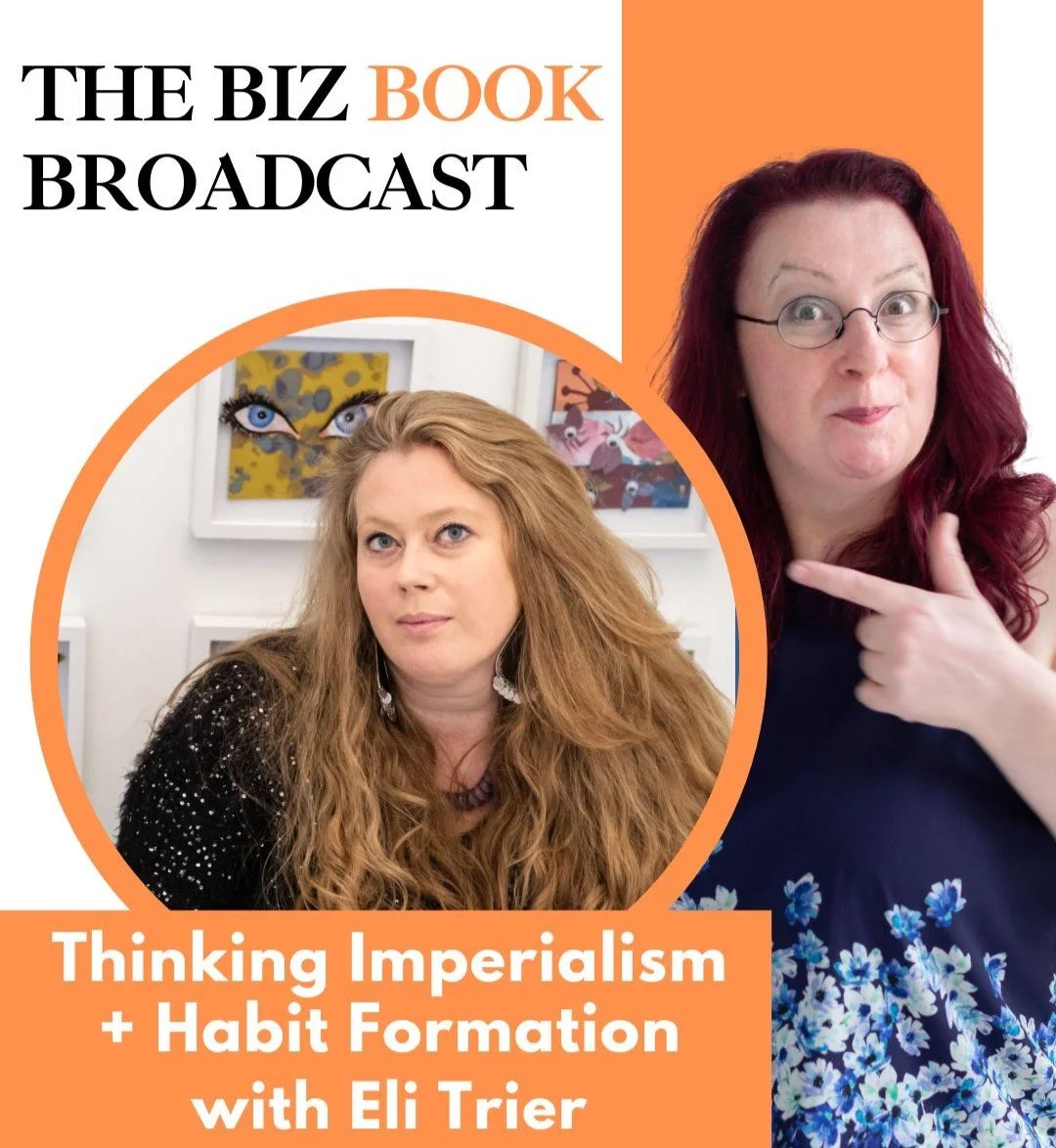
Eli shares her experiences as a neurodivergent person navigating habit formation, highlighting the pitfalls of conventional wisdom & embraces the beauty of diverse thinking.
Eli Trier talks about how to use colour to help organise and stimulate your neurodivergent brain, as well as the role of art in emotional regulation, stress reduction and overall wellbeing.
A lovely and motivating conversation about Eli Trier’s Autism and ADHD presentations and how they interact. We touch on her amazing art, running a business within the creative space and living her absolute passionate truth.
Eli shares her personal journey as a visual artist, writer, and podcaster, describing how her work aims to help people who feel different to feel connected, seen, and celebrated.
Discover how understanding and befriending your nervous system (rather than fighting against your neurodivergent wiring) can transform your entrepreneurial journey from overwhelming chaos into sustainable creative success.
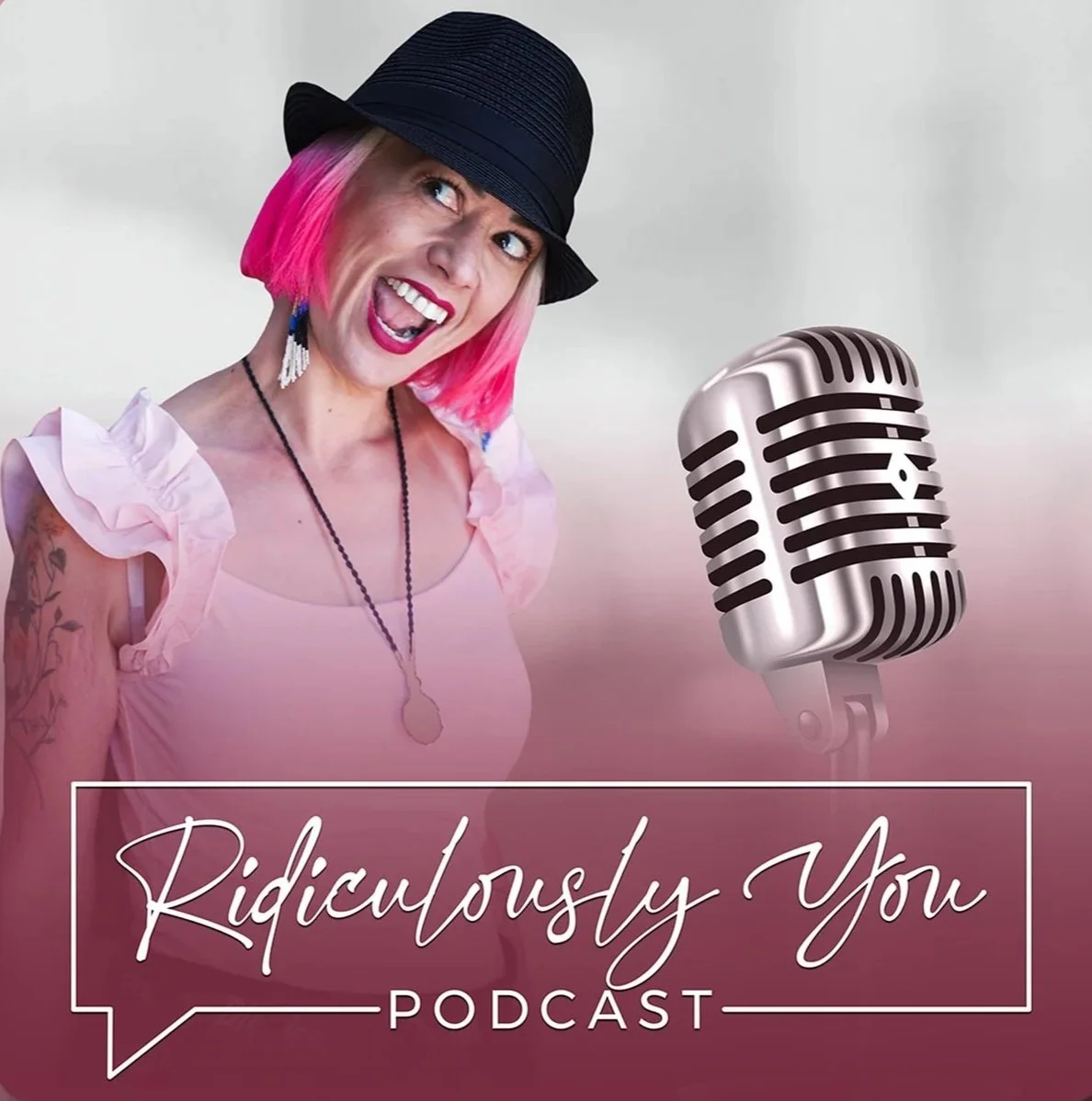
Today we’re speaking to communication & community expert Eli Trier. She’s an artist & self-confessed deep introvert. That hasn’t stopped her having a delightfully close connection to her community.